

3 Signs Your Startup Needs Process (Not More People)



Your team is overwhelmed. Deadlines keep slipping, the same questions pop up every week, and somehow, adding one more person seems like the only solution.
But what if the problem isn’t that you need more hands? What if everyone is working hard, but the way work gets done is making everything harder than it needs to be?
As early-stage startups grow, the informal systems that worked with two or three people can start to break down. What once happened naturally through quick conversations now requires coordination, clear ownership, and repeatable processes. Hiring more people before fixing those gaps can add complexity instead of solving the problem. (Martin Fowler: Bottleneck #06 — Onboarding)
This article covers three signs that your early-stage startup might need better processes instead of more people, with some practical tips on what to do before hiring.
Key takeaways
- If the same mistakes keep happening, you may need a repeatable process.
- If every decision goes through the founder, you may need clearer ownership.
- If new hires struggle to get up to speed, you may need better documentation and onboarding.
- More people can increase capacity, but they cannot automatically fix a broken way of working.
1. What if your team keeps solving the same problems?
If the same problems keep coming up, your startup may need clearer processes and not more people. Repeated mistakes, missed tasks, or confusion about responsibilities mean that the way work gets done needs improving.
A task gets delayed because nobody knows who owns it. A customer request gets missed. A new team member asks how to complete something that someone else explained last week.
Sounds familiar?
Occasional mistakes are normal in a startup. But when the same problems keep returning, the issue may not be individual performance. It may be that the process depends too much on memory, informal conversations, or one person knowing exactly what to do.
What to do instead: Identify the recurring problem and document the simplest reliable way to handle it. That could mean a checklist for launching a feature, a standard process for responding to customers, or clear steps for handing work from one person to another.
You don’t need a 40-page operations manual. Start with the tasks that happen often and where mistakes are costly. Clear documentation and onboarding help new team members become productive without having to figure everything out from scratch. (Martin Fowler: Bottleneck #06 — Onboarding)
2. Is every decision still going through the founder?
If every decision needs a founder’s approval, this slows down the whole team. Clear responsibilities and more independence help people move forward without constantly waiting for answers.
If your team cannot send a proposal, solve a customer issue, or move a project forward without asking you first, you might be the bottleneck.
This often happens without anyone noticing. Founders know the product, the customers, and the history behind every decision. In the early days, being involved in everything made sense. But as the team grows, the same habit can slow everyone down.
When decisions depend on the founder being available, people end up waiting instead of working independently. Adding another employee may simply give you another person who needs your approval. Learn to control what you can, and not let your own eagerness and business control you.
What to do instead: Make responsibilities and decision-making boundaries clear.
- Who owns each task?
- Which decisions can they make independently?
- When should they ask for help?
Start small by giving team members ownership of specific outcomes, not just a list of tasks. The goal is not to remove the founder from every decision; it is to make sure the decisions that genuinely need the founder’s attention are the ones reaching them. (Martin Fowler: Bottleneck #02 — Talent)
3. When do new hires create more work instead of less ?
New hires can create extra work when onboarding, responsibilities, and expectations aren’t clear.
Hiring should eventually give your startup more capacity. But if every new person needs constant explanations, repeated training, and individual guidance, onboarding can become a job in itself.
This does not necessarily mean you hired the wrong person. They may simply lack the context, documentation, tools, or clear expectations they need to do their job well. Research and practical guidance on scaling teams highlight how weak onboarding can leave new employees struggling to become productive. (Martin Fowler: Bottleneck #06 — Onboarding)
What to do instead: Before your next hire starts, ask what they will need to succeed in their first few weeks.
- Prepare basic documentation
- Define their responsibilities
- Identify who can answer questions
- Agree on what success looks like.
Then look at the role itself. If you cannot clearly explain what the person will own or which bottleneck they will solve, you may need to understand the problem better before opening the job listing.
Of course, sometimes you genuinely do need more people. The key is knowing whether you lack capacity or whether your existing capacity is being wasted by unclear processes. (Startup Scaling Guide: When & How to Scale)
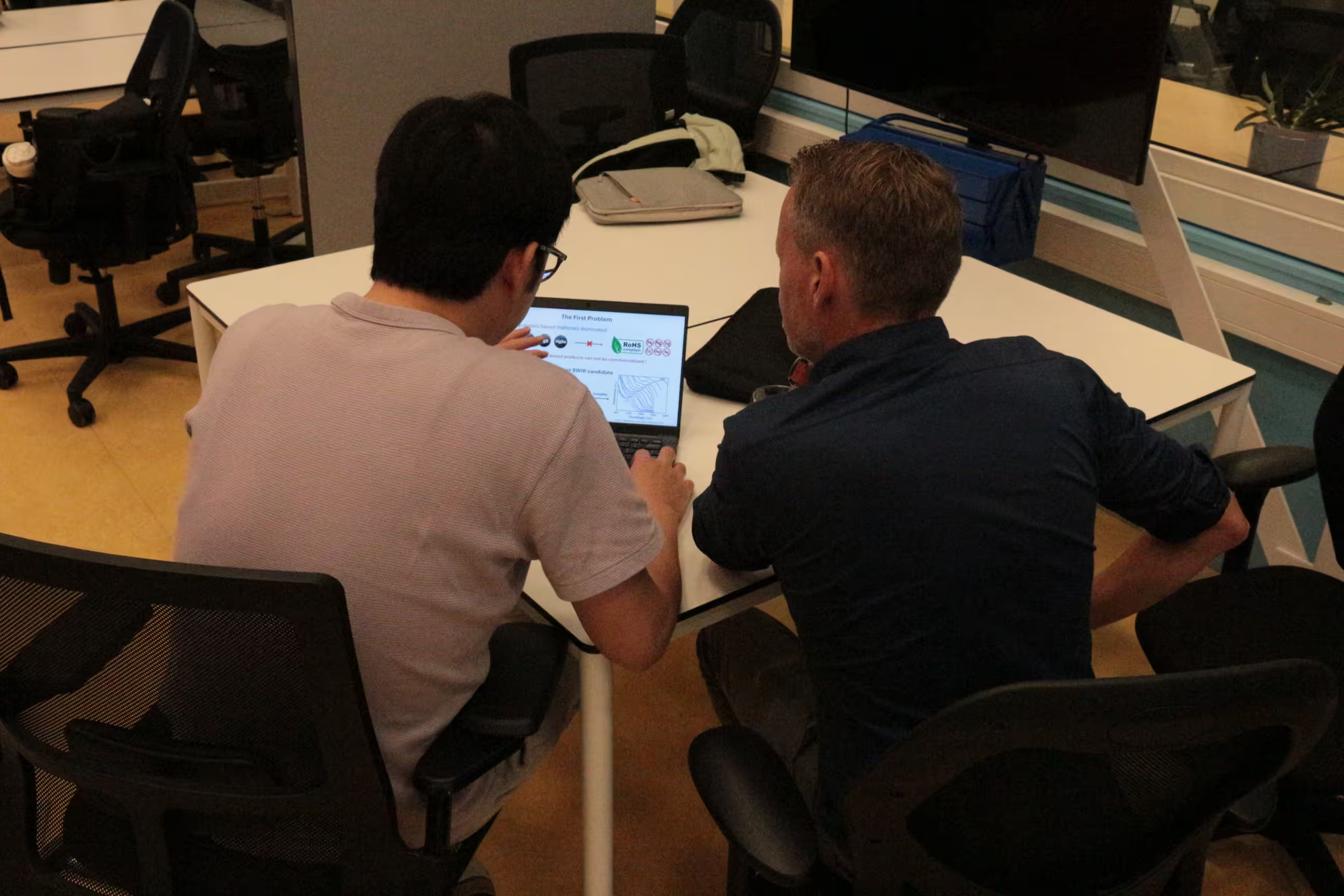
What founders should do before hiring more people
Before hiring, startup founders should check whether the real problem is a lack of people, unclear responsibilities, or inefficient processes.
You don’t need to turn your startup into a corporate bureaucracy. The goal is to introduce just enough structure to make work easier, more consistent, and less dependent on individual people.
Before hiring to solve an operational problem, ask yourself:
- Is the problem recurring? If yes, could a simple checklist or documented workflow prevent it?
- Is ownership clear? Does someone know they are responsible for the outcome?
- Can the task be repeated without constant help? Could another team member follow the same steps?
- What is the actual bottleneck? Is the team short on capacity, expertise, or a reliable way of working?
Start with one recurring problem, improve the process, and see what changes. You can always add more structure later when the business needs it.
For early-stage founders, the challenge is often finding the right balance between flexibility and structure. Too little process creates confusion, while too much can slow a small team down.
Just remember: process should make work easier, not create more work. If a system takes longer to maintain than the task itself, simplify it.
How Innokite supports founders
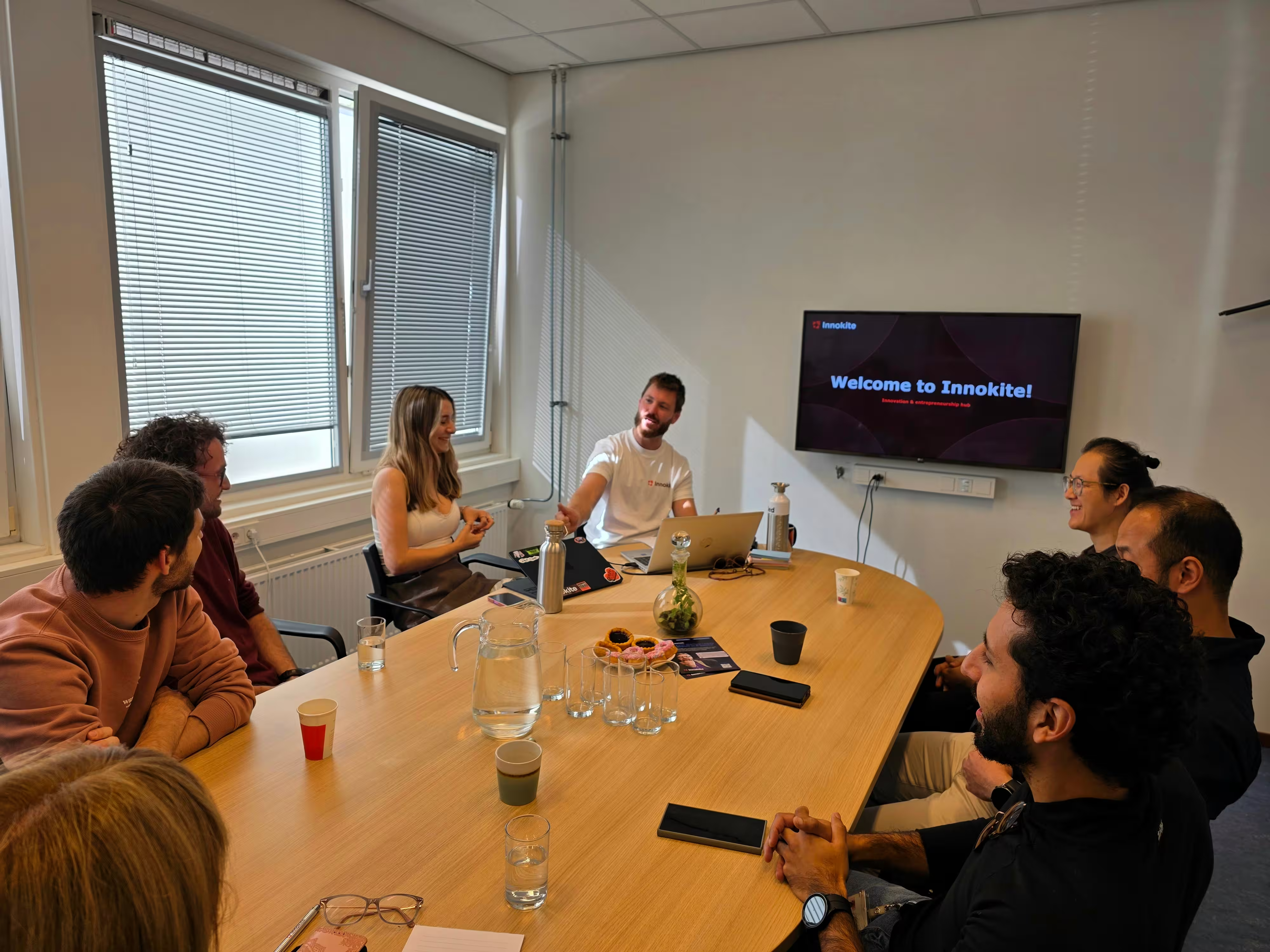
Innokite helps early-stage founders learn from others, get feedback, and find support as they build and grow their startups.
At Innokite, we know that building a startup means figuring things out as you go. But you don’t have to solve every operational challenge alone.
Through our startup community and ecosystem, founders can exchange experiences, learn from one another, and get fresh perspectives on the challenges of building and growing a business.
Because scaling isn’t just about adding people. It’s about building a startup that can work well as it grows.
Ready to take your startup to the next stage? Join the Innokite incubator.
FAQs
When should a startup start creating processes?
When you notice recurring tasks, repeated mistakes, unclear responsibilities, or work that depends on one person’s memory. Start with the basics and add structure as needed.
Does this mean I shouldn’t hire more people?
Not at all. Hiring makes sense when a real capacity or expertise gap is limiting your progress. The important thing is to understand the problem you want the new hire to solve.
What processes should a startup document first?
Start with frequent, important tasks such as customer onboarding, sales follow-ups, product releases, customer support, and internal handovers.
How much process is too much?
If documentation and approvals slow down simple work without improving quality or consistency, simplify them. The best process is one your team actually uses.